
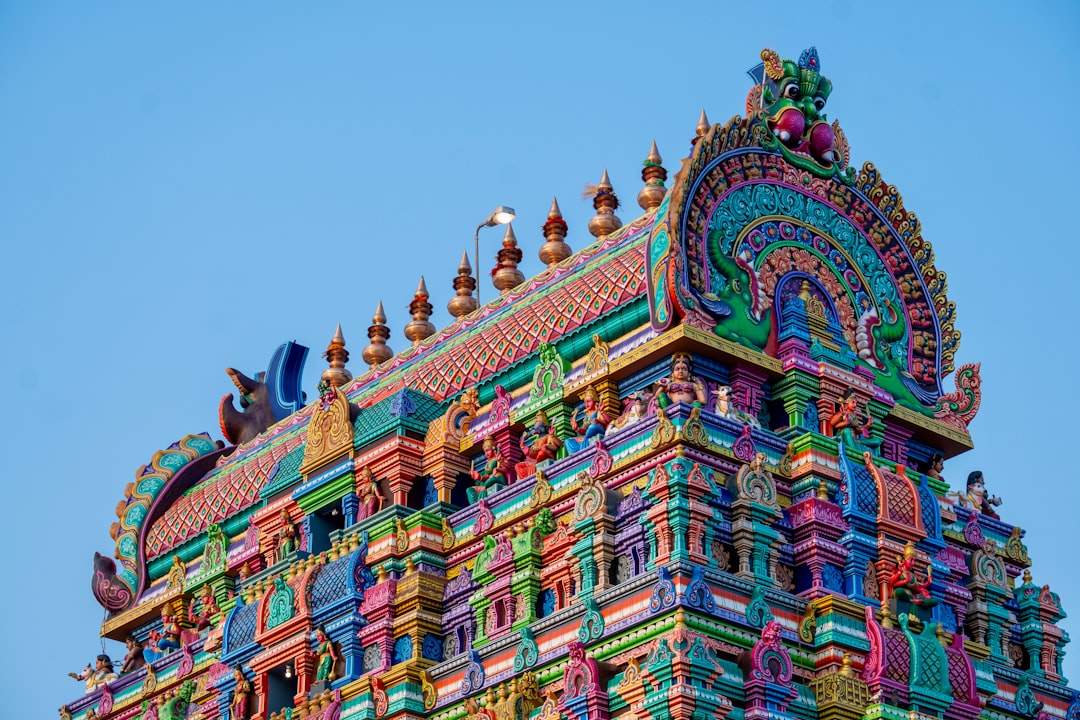
The Rich Heritage of India

India's history is a tapestry woven from diverse cultures, religions, and traditions. With roots dating back thousands of years, it has seen the rise and fall of empires, the birth of major religions, and the emergence of vibrant arts. This presentation explores the remarkable journey of India through its history, highlighting key events and figures that shaped its identity.

Profile image of the presenter
Rocket Slide
Presenter
Slide Image

Overview of Indian History

This slide outlines the key periods in Indian history, from the Indus Valley Civilization to the present day. It serves as a roadmap for our exploration, providing context for significant historical developments.

Ancient India

Explores the Indus Valley Civilization and Vedic period.

1

Colonial Era

Discusses British rule and the struggle for independence.

3
2

Medieval India

Focuses on the rise of empires like the Maurya and Gupta.

4

Modern India

Covers post-independence developments and contemporary issues.

Indus Valley Civilization

Early urban settlements such as Harappa and Mohenjo-Daro.

Vedic Period

Development of social structures and religious texts.

Cultural Foundations

Influence on language, philosophy, and arts.

Topic 4

Start typing...

The Ancient Civilizations

India's history begins with the Indus Valley Civilization, known for its advanced urban planning and architecture. The Vedic period followed, shaping the cultural and religious landscape of India, including the formation of Hinduism.

Marketing Devices

Empires and Kingdoms

The Maurya and Gupta Empires marked significant advancements in politics, culture, and science. These periods saw the flourishing of arts and literature, along with notable figures like Ashoka and Aryabhata.

0%
Maurya Empire
Unified large parts of India and promoted Buddhism.
0%
Gupta Empire
Golden Age of Indian culture and sciences (e.g., 400 AD).
0%
Cultural Contributions
Advancements in mathematics and astronomy were notable.

Colonial Influence

The British colonization brought about significant changes in India's social, economic, and political fabric. The struggle for independence was marked by notable figures such as Mahatma Gandhi and Jawaharlal Nehru.

Start
East India Company
Initial trading presence turned into political control.
Independence Movement
Gandhi's non-violent resistance inspired a nation.
Partition of India
1947 division led to significant upheaval and migration.
End

Post-Independence India

After gaining independence in 1947, India embarked on a journey of nation-building, facing challenges like communal tensions and economic reforms. Today, India stands as a vibrant democracy with a growing economy.

1
Constitution Formation
Adopted in 1950, establishing the world's largest democracy.
2
Economic Reforms
Liberalization in the 1990s spurred rapid growth.
3
Cultural Resurgence
Revival of traditional arts and inclusion in global culture.
4
Topic 4
Start typing...

Join the Journey

Explore the rich tapestry of India's history and its influence on the world. Discover how this vibrant nation continues to evolve while honoring its traditions.

1

Learn More

Dive deeper into India's fascinating history.

2

Get Involved

Participate in cultural events and discussions.

Slide Image

Questions and Answers

We appreciate your attention and are now open to any questions you may have regarding the history of India. Let's engage in a meaningful discussion.

Contact Us
Reach out for more information.
Feedback
We welcome your thoughts on this presentation.
Follow Us
Stay connected for more insights.