 Present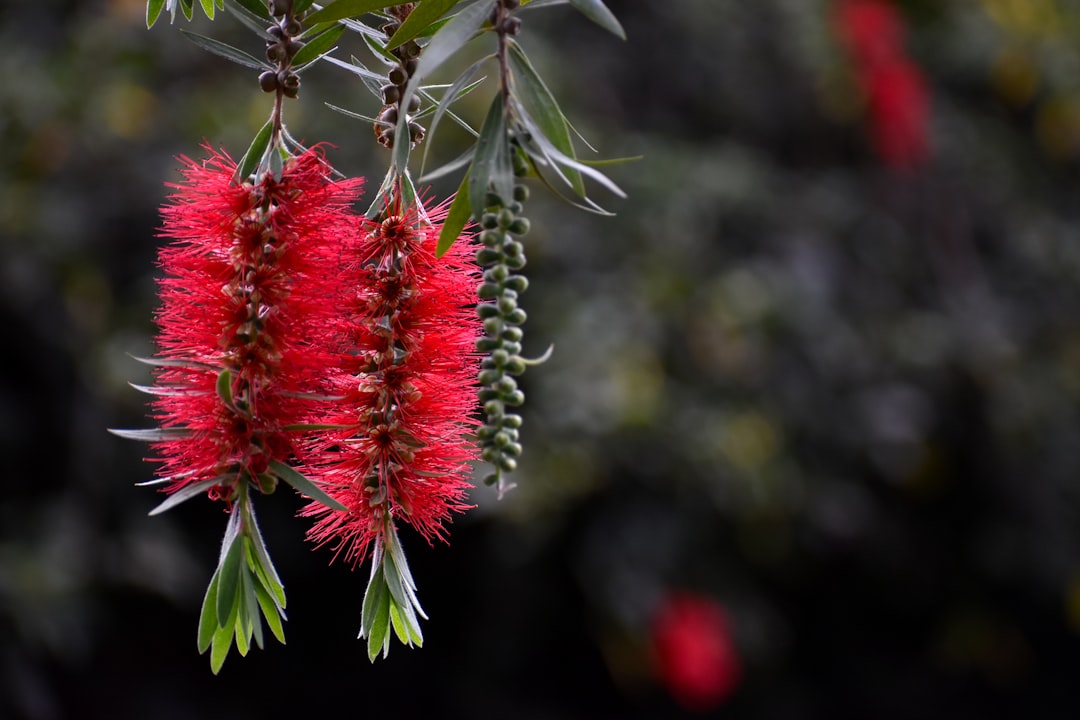
Introduction to Flower Lifecycle
Discover the amazing journey of a flower from seed to bloom. Understand the stages involved and the importance they play in plant reproduction.

Stages of the Flower Lifecycle
Explore the sequential stages of a flower's lifecycle. Each stage is crucial for the plant's development and reproduction, encompassing seeds, germination, growth, flowering, and seed dispersal.
Seed Formation
This initial stage involves the creation of seeds from a parent flower.
Flowering
Plants mature and produce flowers, enabling reproduction and attracting pollinators.
Germination
In this phase, seeds sprout and begin to grow under optimal conditions.
Seed Dispersal
The final stage where seeds are spread, allowing the cycle to restart.
How Flowers Grow
Learn how flowers utilize soil nutrients, water, and sunlight to progress through their lifecycle. The growth process is a marvel of natural engineering.
Economic and Ecological Impact
Understand flowers' contributions to the economy and environment. They are essential in ecological balance and have substantial commercial value in cultivation and trade.
Climate Change
Changing climates affect flowering times and plant survival.
Pest Control
Insects and diseases can damage crops and reduce yields.
Resource Scarcity
Limited access to water and nutrients hinders plant growth.
Challenges in Flower Cultivation
Explore the risks and challenges faced in cultivating flowers, from environmental constraints to market demands that affect flower growth worldwide.
Challenges in Flower Cultivation
Explore the risks and challenges faced in cultivating flowers, from environmental constraints to market demands that affect flower growth worldwide.
Innovations in Flowering
Discover innovative practices and technologies enhancing flower growth like genetic modifications, controlled environments, and advanced farming techniques.
Genetic Modification
Develop new varieties with improved resilience and traits.
Hydroponics
Growing plants without soil promotes efficient water use and reduces pests.
Controlled Environment Agriculture
Technologies allow for year-round flower production with regulated environment.
Drones and Sensors
Utilized for monitoring plant health and optimizing resource use.
Future Opportunities
Explore opportunities for sustainable growth and innovation in the flower industry. Emphasize potential advancements in technology and environmental adaptation.
Sustainable Practices
Integrating eco-friendly methods reduces environmental impact.
Expansion into New Markets
Exploring emerging markets increases growth potential.
Advancements in Biotechnology
Innovative technologies can enhance disease resistance.
Public Awareness
Educational campaigns promote the importance of flowers in ecosystems.
Addressing Environmental Challenges
Detail strategies to tackle environmental issues faced by flowering plants, focusing on conservation efforts, habitat protection, and sustainable agriculture.
Conservation Efforts
Protecting natural habitats to preserve diverse flower species.
Sustainable Agriculture
Practices that promote environmental health and resource conservation.
Public Engagement
Increasing public involvement in conservation initiatives.
Regulatory Policies
Implementing laws to protect natural environments and promote sustainability.
Take Action for Flora Conservation
Encourage active participation in conservation efforts. Explore how students can contribute through projects and awareness to sustain the future of flowering plants.
Join Conservation Projects
Participate in local projects to support plant biodiversity.
Educate Others
Raise awareness about the importance of flowers within communities.

Questions and Further Learning
Engage with us for any questions and discover additional resources to deepen your knowledge about the lifecycle of flowers and conservation efforts.